
How Industrial Scale Models Drive Engineering Excellence
In the world of complex engineering and large-scale project development, seeing is not just believing—it’s understanding. Before a single foundation is poured or a piece of machinery is ordered, visionary companies and engineering teams rely on a critical tool: the industrial scale model. Also known as engineering scale models, these detailed physical representations are far more than simple miniatures; they are indispensable instruments for innovation, communication, and validation.
What Are Industrial and Engineering Scale Models?
An industrial scale model is a precise, three-dimensional physical replica of a facility, plant, process, or product. Built to a specific scale—such as 1:50, 1:100, or 1:200—these models accurately depict the layout, components, and spatial relationships of an industrial project. The term engineering scale model is often used interchangeably, emphasizing the technical and functional accuracy required for engineering analysis.
These models transform abstract blueprints, P&IDs (Piping and Instrumentation Diagrams), and 3D CAD data into a tangible object that teams can view, interact with, and critique from every angle.
Key Applications Across Industries
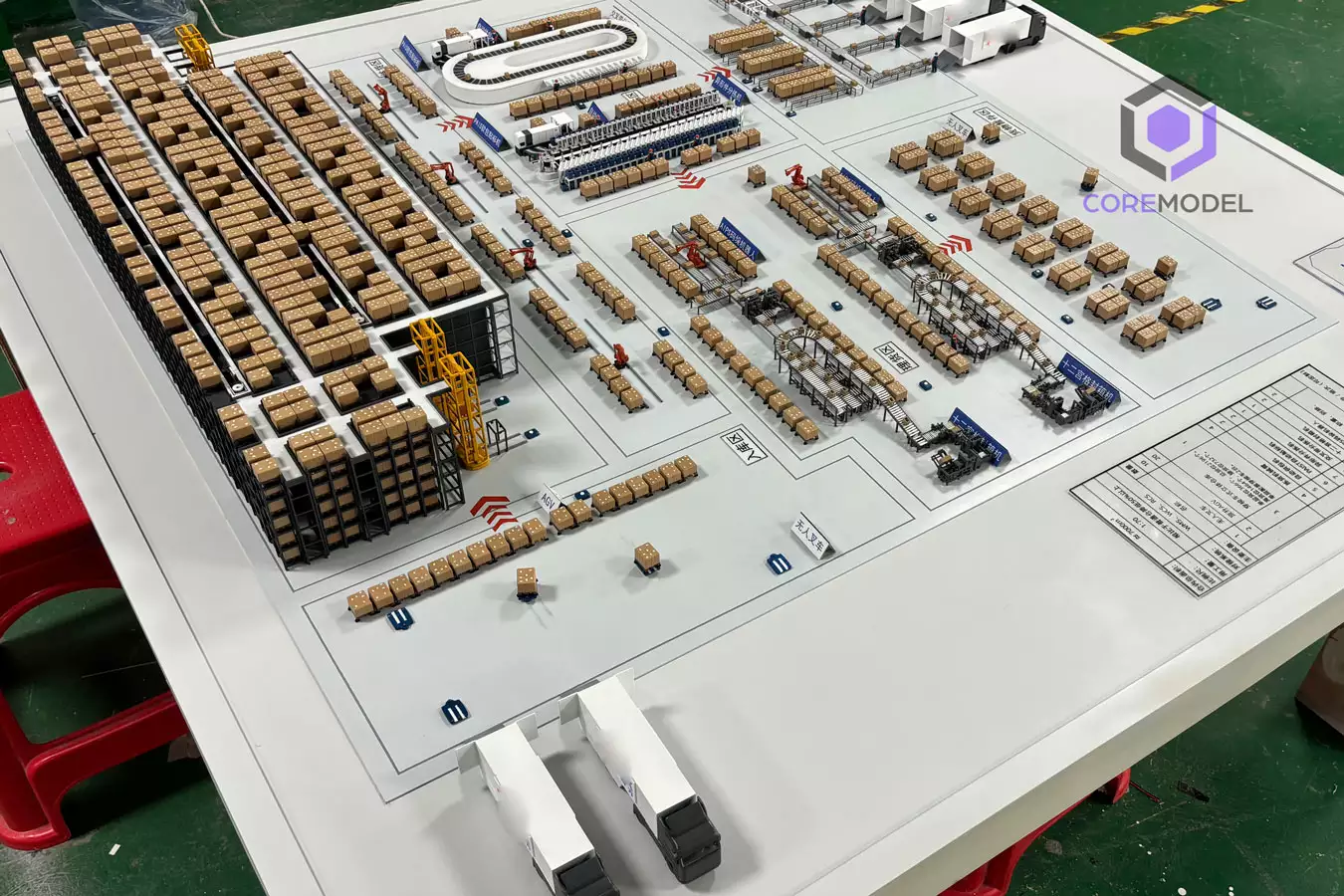
- Manufacturing & Factory Planning: Visualizing production line layouts, workflow, and logistics to optimize efficiency before construction.
- Chemical & Process Plants: Planning intricate piping networks, safety access routes, and vessel placement.
- Power Generation: Designing fossil fuel, nuclear, or renewable energy facilities like wind farms and solar arrays.
- Infrastructure & Civil Engineering: Presenting large projects like bridges, ports, or wastewater treatment plants to stakeholders and the public.
- Architectural Integration: Showcasing how new industrial buildings fit within an existing campus or environment
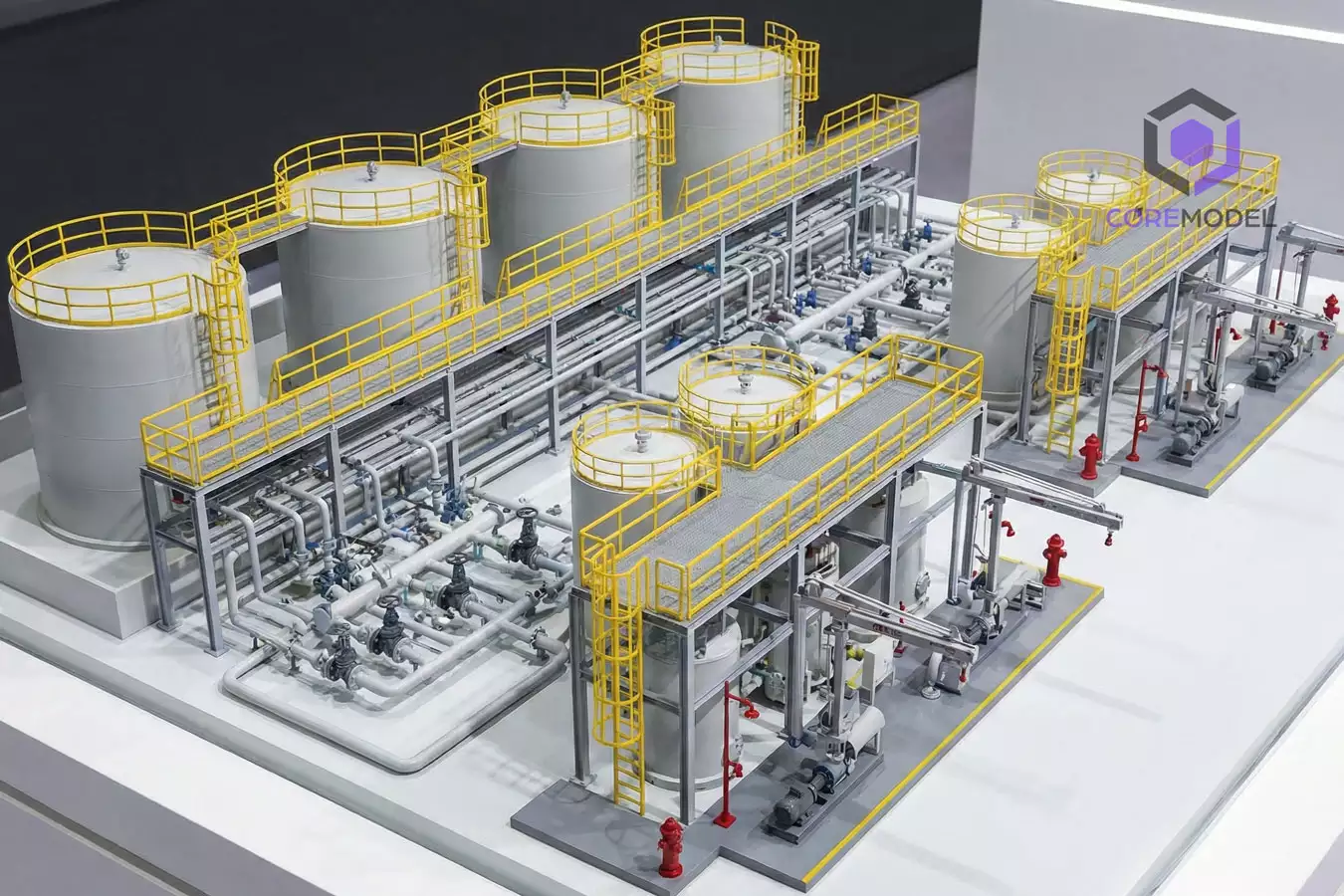
The Tangible Benefits: Why Physical Models Still Matter
In an age dominated by digital screens, the value of a physical engineering scale model is more profound than ever. Here’s why they remain a cornerstone of project development:
1. Enhanced Communication and Stakeholder Alignment
A complex Gantt chart or a stack of 2D drawings can be impenetrable to non-engineers. A physical model serves as a universal language. It allows executives, investors, community boards, and cross-functional teams to grasp the project’s scope, scale, and intent instantly, fostering clearer communication and faster decision-making.
2. Critical Error Detection and Design Validation
There is no substitute for the spatial clarity a model provides. Engineers and designers can identify interferences, clearance issues, or workflow bottlenecks that might be missed on a computer monitor. This proactive problem-solving in the planning phase prevents costly change orders and delays during actual construction.
3. Superior Marketing and Proposal Tools
When competing for a major project, a meticulously crafted industrial scale model demonstrates commitment, expertise, and vision. It is a powerful centerpiece for proposals, trade shows, and client presentations, making a lasting impression that digital renders often cannot match.
4. Effective Safety and Training Planning
Safety managers use models to plan emergency egress routes, locate safety equipment, and simulate hazard scenarios. They also serve as excellent training tools for new operators, providing a holistic view of the plant they will be working in.
The Modern Craft: Technology Meets Artistry
Creating a high-fidelity engineering scale model is a sophisticated blend of cutting-edge technology and skilled craftsmanship.
- Digital Foundation: The process begins with the project’s CAD, BIM, and laser scan data. This ensures millimeter-perfect accuracy.
- Advanced Fabrication: Components are produced using CNC machining, high-resolution 3D printing, and laser cutting. This allows for incredible detail in pipes, structural steel, vessels, and even tiny control panels.
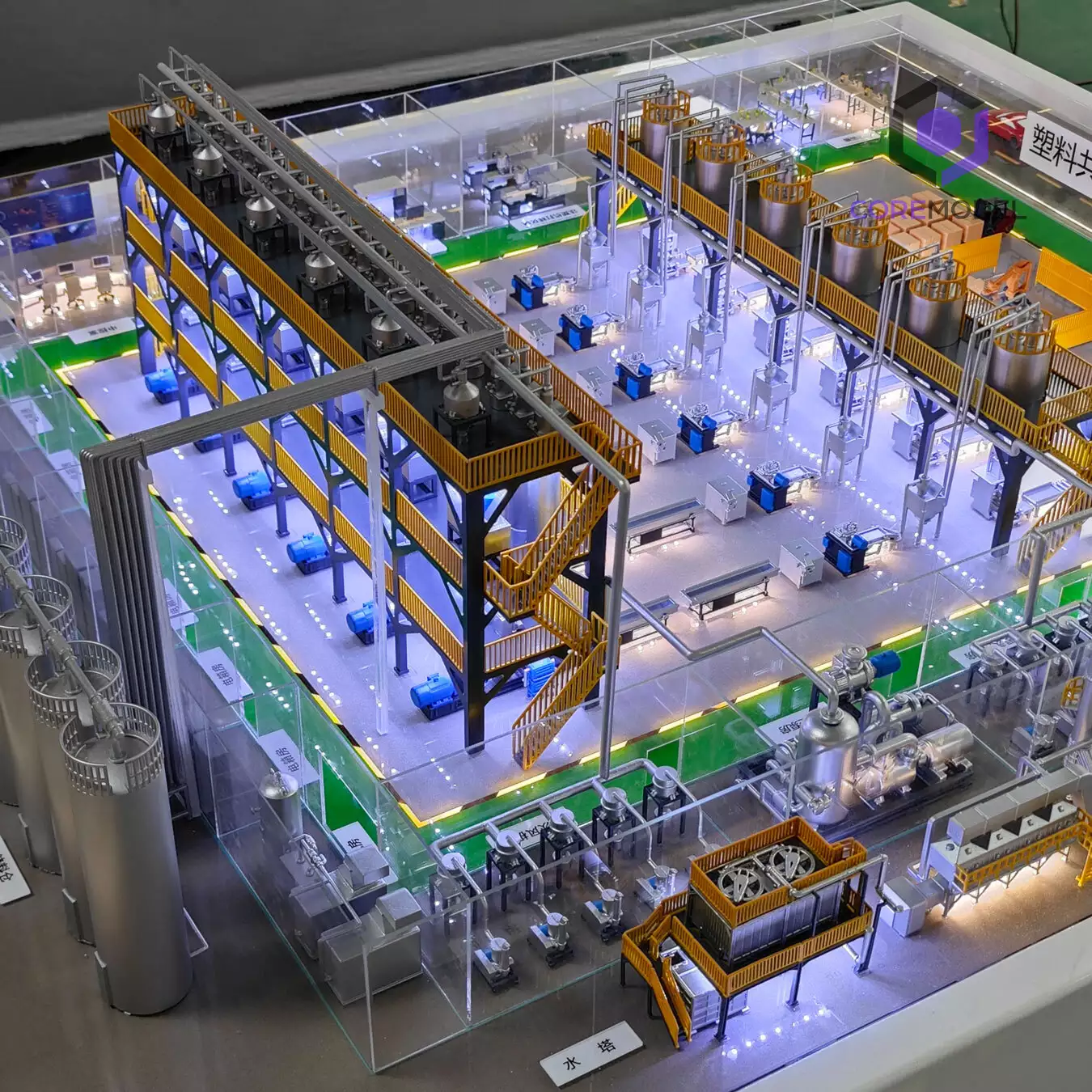
- Expert Assembly & Finishing: Master model builders assemble thousands of pieces by hand. They apply realistic finishes, color-coding per industry standards, and often integrate lighting to highlight different process flows or zones.
- Interactive & Smart Features: Modern models can include removable sections, interactive LED lighting triggered by touchscreens, or even augmented reality (AR) overlays to display dynamic data.
Choosing the Right Partner for Your Scale Model
The effectiveness of your model hinges on the expertise of the creator. Look for a partner with a proven track record in industrial scale models. Essential qualities include:
- Deep Engineering Understanding: The team should speak your technical language and comprehend process flows.
- Precision & Detail-Oriented Approach: A commitment to accuracy is non-negotiable.
- Full-Service Capability: From initial digital modeling to final shipping and installation.
- Portfolio of Complex Projects: Evidence of experience in your specific industry.
For those seeking to delve deeper into the techniques, materials, and best practices behind this craft, exploring dedicated resources from specialist model makers can be invaluable. You can learn about various technical aspects of engineering scale model creation, from material selection to intricate detailing methods, through expert channels in the field.
Conclusion: An Investment in Project Success
An industrial scale model is not an expense; it is a strategic investment in the success of your project. It mitigates risk, accelerates timelines, secures buy-in, and ultimately saves significant resources by getting the design right the first time. In the high-stakes world of industrial engineering, where complexity is a given, these precise physical models provide the clarity and confidence needed to turn ambitious visions into operational reality.
Whether you call it an industrial scale model or an engineering scale model, its role is clear: to make the complex comprehensible and the imagined, tangible.