
Introduction to Architectural Models
Architectural models have long served as essential tools for visualizing and communicating design intent. From ancient clay tablets to modern 3D-printed masterpieces, these physical representations bridge the gap between abstract concepts and tangible reality. For architects, developers, and urban planners, a well-crafted architectural model is not merely a miniature replica; it is a strategic asset that enhances presentations, facilitates stakeholder alignment, and secures project approvals. At CoreModel, we combine 15+ years of expertise with advanced manufacturing technologies to deliver custom architectural models that meet the highest standards of precision and aesthetics.
The Evolution of Architectural Models: From Handcraft to High-Tech
The history of architectural models mirrors the evolution of architecture itself. Early models were hand-carved from wood or molded from clay, serving as simple design aids. The Renaissance period saw models become more detailed, used for structural experimentation and client presentations. Today, the industry has transformed with the integration of CNC machining, 3D printing, and laser cutting, enabling unprecedented precision and complexity. Digital modeling software like Revit and SketchUp allows designers to create virtual prototypes, which are then translated into physical models with millimetric accuracy. This synergy of digital and physical tools ensures that modern architectural models are both aesthetically stunning and functionally accurate.
Why Architectural Models Matter for B2B Success
In a competitive business environment, first impressions are critical. An architectural model provides a three-dimensional, tactile experience that digital renderings cannot replicate. Here are key benefits for B2B stakeholders:
Enhanced Client Communication
Architectural models eliminate ambiguity. Clients can physically walk around the model, understand spatial relationships, and visualize the finished project. This reduces the risk of misunderstandings and costly revisions later in the construction process.
Effective Marketing and Fundraising
Real estate developers and urban planners use architectural models to attract investors and secure funding. A high-quality model displayed in a sales center or at a trade show instantly conveys professionalism and project viability.
Permitting and Regulatory Approvals
Municipal planning departments often require detailed models to assess a project's impact on the surrounding environment. A precise architectural model can expedite the approval process by clearly demonstrating compliance with zoning laws and design guidelines.
Types of Architectural Models We Produce
At CoreModel, we specialize in a diverse range of architectural models tailored to different industries and purposes:
Concept Models
Early-stage concept models focus on massing, form, and overall design direction. They are typically simple, monochrome, and quick to produce, allowing architects to iterate rapidly.
Presentation Models
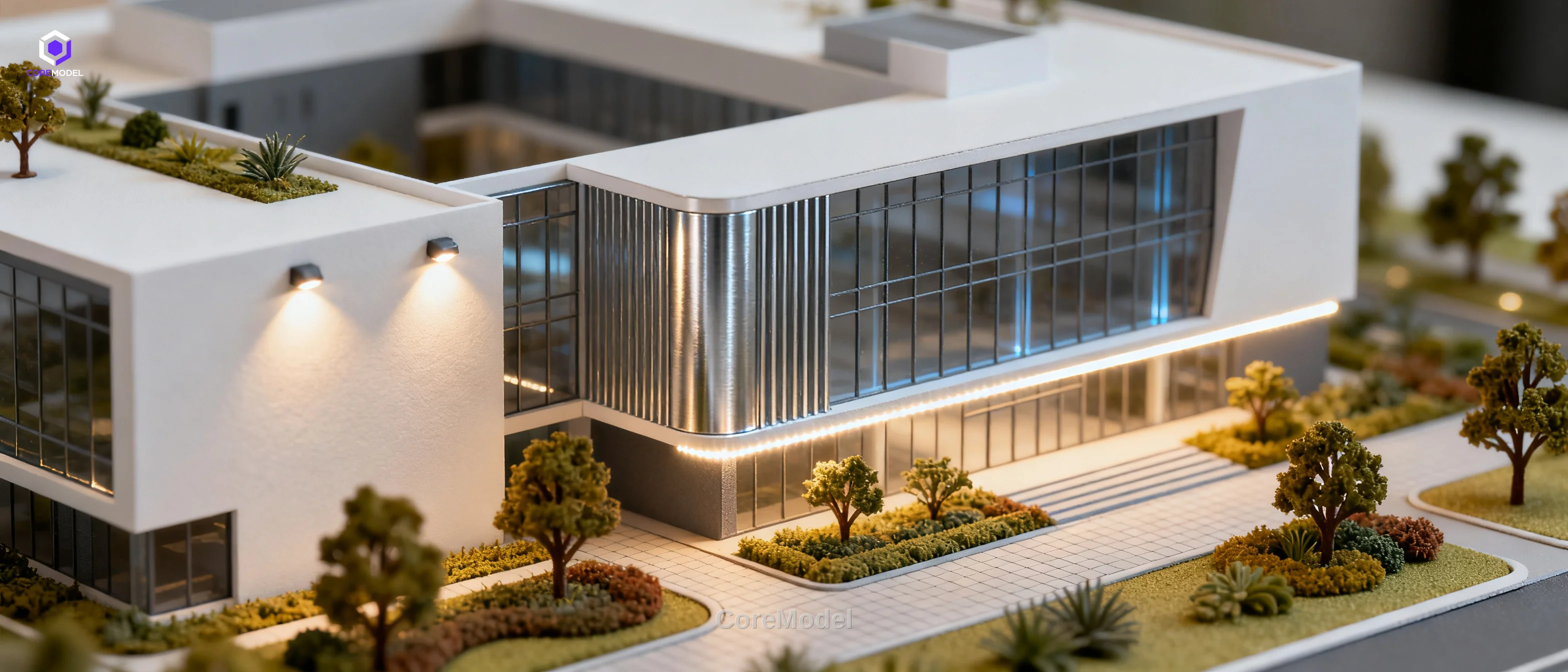
These are highly detailed, finished models used for client presentations, marketing, and exhibitions. They incorporate realistic textures, lighting, landscaping, and even interior details.
Working Models
Working models are functional prototypes that may include moving parts, lighting systems, or sectional cutaways to demonstrate structural or mechanical systems.
Urban Planning Models
Large-scale urban planning models depict entire city districts or infrastructure projects. They often include terrain, vegetation, road networks, and multiple buildings to show context and master plan integration.
CoreModel’s Manufacturing Excellence
Our factory in Shenzhen, China, is equipped with state-of-the-art machinery and staffed by skilled artisans. We employ a rigorous quality control process to ensure every architectural model meets exacting standards. Our capabilities include:
- CNC Routing: For precise cutting of acrylic, wood, and foam.
- SLA & FDM 3D Printing: For complex geometries and fine details.
- Laser Cutting & Engraving: For intricate patterns and text.
- Hand Finishing: For painting, weathering, and assembly.
- LED Lighting Integration: To highlight key features and create ambiance.
We serve over 80 countries, delivering architectural models that help our clients win projects, educate stakeholders, and bring visionary designs to life.
Choosing the Right Architectural Model for Your Project
Selecting the appropriate type and scale of an architectural model depends on your goals. Consider the following factors:
- Purpose: Is the model for internal design development, client presentation, or public exhibition?
- Audience: Who will view the model? Investors, regulators, or the general public?
- Budget: High-detail models require more time and resources. We offer scalable solutions to match your budget.
- Timeline: Standard models can be produced in 2-4 weeks, while complex projects may take longer.
Our team at CoreModel works closely with clients to recommend the best approach, ensuring the final product exceeds expectations.
Conclusion: Elevate Your Vision with CoreModel
Architectural models remain an indispensable tool in the design and construction industry. They provide clarity, inspire confidence, and create lasting impressions. Whether you need a simple concept model or a highly detailed presentation piece, CoreModel has the expertise and technology to deliver. Contact us today to discuss your next project and experience the difference that precision craftsmanship makes.