
Introduction to Industrial Scale Models
In the world of engineering, manufacturing, and urban development, industrial scale models serve as indispensable tools for visualization, communication, and validation. These meticulously crafted replicas—ranging from small component mock-ups to large-scale factory layouts—allow stakeholders to examine complex systems in a tangible, three-dimensional format. Unlike digital renderings, physical scale models offer an immediate, intuitive understanding of spatial relationships, operational flows, and design aesthetics. At CoreModel (https://www.coremodel3d.com), we have spent over 15 years perfecting the art and science of creating industrial scale models for clients in more than 80 countries.
What Are Industrial Scale Models?
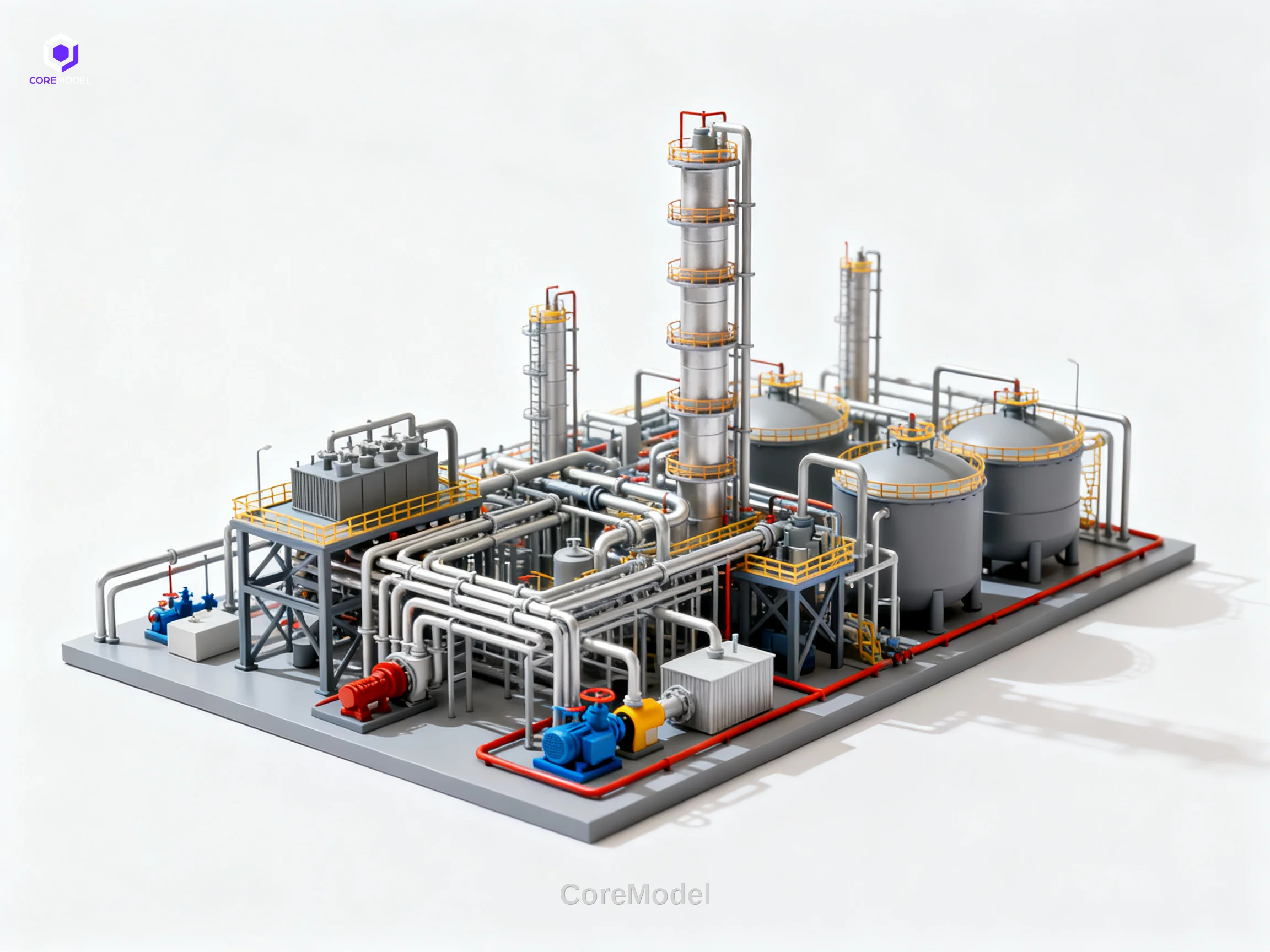
An industrial scale model is a physical representation of a real-world industrial facility, product, or system, built to a specific ratio. These models are used across sectors such as petrochemical, rail transit, defense, aerospace, new energy, and smart logistics. Key characteristics include high accuracy, material fidelity, and functional detailing. They can be static or incorporate moving parts, lighting, and even digital interfaces for interactive presentations.
Common Types of Industrial Scale Models
- Petrochemical Plant Models – Represent refineries, pipelines, and processing units for safety training and layout optimization.
- Rail Transit Models – Show trains, stations, and track systems for urban planning and public consultation.
- Defense & Aerospace Models – Include aircraft, naval vessels, and missile systems for simulation and display.
- New Energy Models – Depict wind farms, solar arrays, and battery plants for investor pitches.
- Smart Logistics Models – Visualize warehouse automation, conveyor systems, and distribution centers.
Applications Across Industries
Industrial scale models are used in a variety of critical business processes:
Design Validation and Prototyping
Engineers use scale models to test ergonomics, assembly sequences, and equipment clearances. This reduces costly design errors before full-scale production.
Client Presentations and Marketing
For B2B sales, a physical model can communicate complex value propositions more effectively than blueprints or CAD files. It builds trust and accelerates decision-making.
Training and Simulation
Operators and maintenance teams train on scale replicas to learn procedures without risk. This is especially common in petrochemical and defense sectors.
Public Consultation and Exhibitions
Urban planning models help citizens and officials visualize proposed developments, fostering community engagement and regulatory approval.
Why Choose Physical Models Over Digital?
While 3D modeling and VR are powerful, industrial scale models offer unique advantages:
- Tangibility – Users can touch, rotate, and examine details from any angle.
- No Hardware Dependency – Models work without screens, batteries, or software updates.
- Shared Experience – Multiple stakeholders can gather around a model simultaneously, fostering collaboration.
- High Perceived Value – A finely crafted model signals quality and investment.
How Are Industrial Scale Models Made?
The process at CoreModel combines traditional craftsmanship with modern technology:
- Design Phase – We receive CAD files, blueprints, or reference materials. Our team analyzes scale, materials, and level of detail.
- Fabrication – Using CNC machining, 3D printing, laser cutting, and hand assembly, we create each component with precision.
- Painting & Finishing – Airbrushing, weathering, and decal application ensure realism.
- Integration – Lighting, motion, and digital elements are added as needed.
- Quality Control – Every model undergoes inspection for accuracy, durability, and aesthetic appeal.
Selecting the Right Industrial Scale Model Partner
When commissioning a scale model, consider these factors:
- Experience – Look for a manufacturer with domain expertise in your industry.
- Portfolio – Review past projects to assess quality and style.
- Customization – Ensure they can match your specific requirements, from scale ratio to interactive features.
- Turnaround Time – Discuss deadlines and production milestones.
- After-Sales Support – Reliable partners offer maintenance and repair services.
Conclusion
From petrochemical refineries to smart logistics hubs, industrial scale models remain a vital communication and engineering tool. They bridge the gap between abstract design and physical reality, enabling better decisions, faster approvals, and more effective training. At CoreModel, we combine 15+ years of expertise with cutting-edge fabrication techniques to deliver models that exceed expectations. Whether you need a presentation piece or a functional prototype, our team is ready to bring your vision to life. Contact us to discuss your next project.