

Introduction
In the competitive landscape of B2B industrial marketing, the ability to communicate complex designs and systems clearly is paramount. For manufacturers, engineers, and urban planners, a product line scale model is not merely a miniature replica—it is a strategic tool for visualization, validation, and sales. CoreModel, with over 15 years of expertise and a presence in 80+ countries, has perfected the art of crafting detailed scale models that represent entire product lines. This article explores how a well-executed product line scale model can transform your marketing and engineering processes.
What Is a Product Line Scale Model?
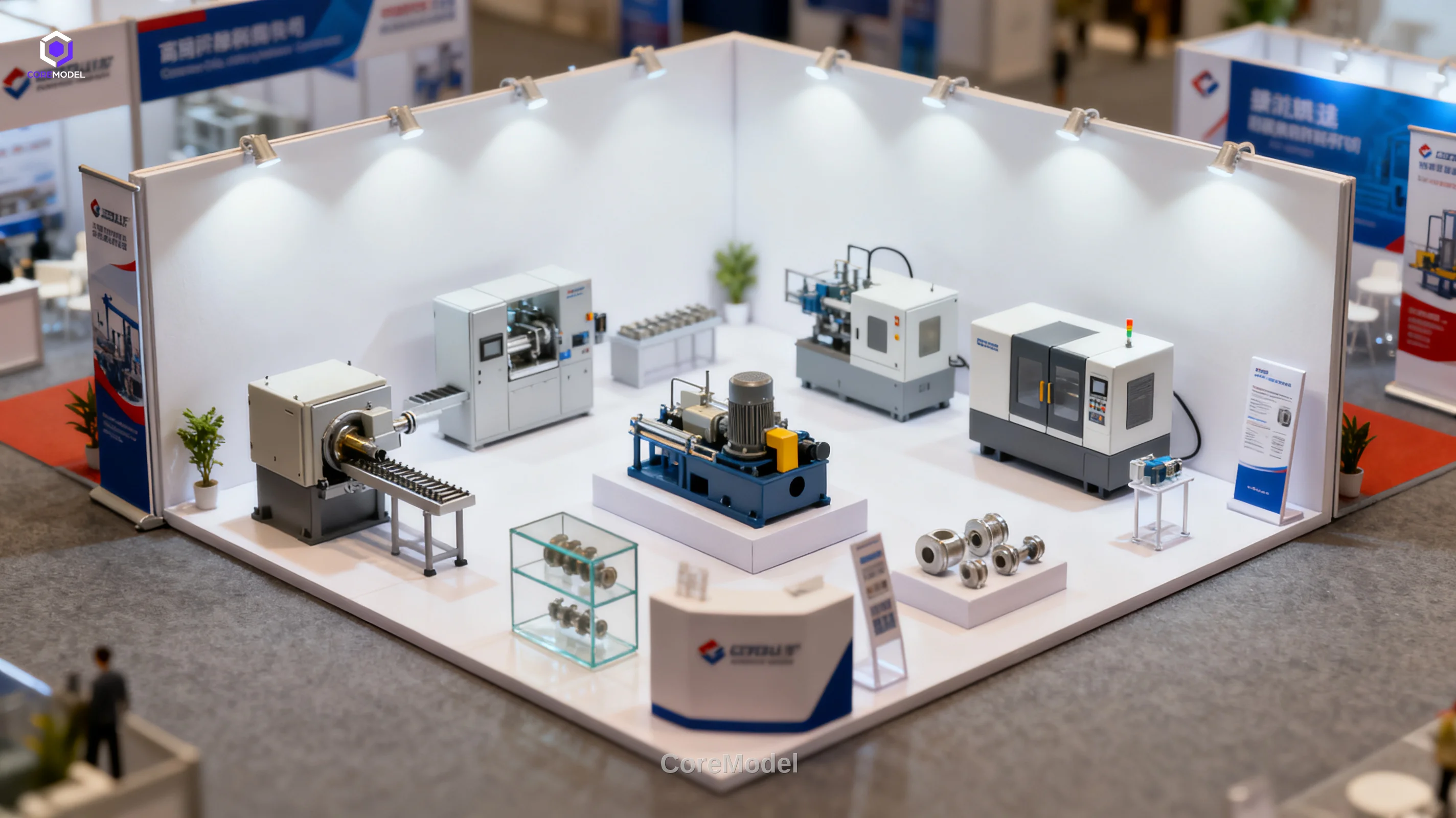
A product line scale model is a physical or digital representation of an entire range of products within a manufacturer's portfolio. Unlike single-product models, these comprehensive dioramas display multiple products in a cohesive layout, often including operational sequences, infrastructure, and environmental context. For industries such as petrochemicals, rail transit, and smart logistics, a product line scale model allows stakeholders to see how individual components integrate into a larger system.
Key Benefits for B2B Audiences
- Enhanced Communication: Bridge the gap between technical drawings and client understanding.
- Sales Acceleration: Use the model as a centerpiece for proposals and presentations.
- Error Reduction: Identify design flaws before production begins.
- Global Reach: Ship a single model to multiple trade shows and client meetings.
Applications Across Industries
CoreModel's expertise spans diverse sectors, each benefiting uniquely from a product line scale model.
1. New Energy and Petrochemical Models
For renewable energy projects and petrochemical plants, a scale model can illustrate the flow of materials, safety zones, and equipment layout. This is critical for regulatory approvals and investor confidence.
2. Rail Transit and Defense Models
In rail transit and defense, precision is non-negotiable. A product line scale model can depict rolling stock, signaling systems, and infrastructure, aiding in maintenance planning and training.
3. Urban Planning and Smart Logistics
City planners and logistics companies use scale models to visualize traffic flow, warehouse operations, and drone delivery networks. These models become interactive decision-making tools.
CoreModel’s Manufacturing Process
Creating a product line scale model requires a blend of artistry and engineering. CoreModel employs advanced CNC machining, 3D printing, and handcrafted finishing to achieve museum-quality results. Each project begins with a consultation to understand the client's objectives, followed by CAD design, material selection, and iterative prototyping. The final model is assembled with lighting, moving parts, and realistic textures.
Quality Assurance
Every model undergoes rigorous inspection for scale accuracy, durability, and visual appeal. CoreModel's team ensures that the product line scale model meets international standards and can withstand repeated handling during shipping and exhibitions.
SEO and Marketing Leverage
Beyond physical presence, a product line scale model generates digital marketing value. High-resolution images and videos of the model can be used on your website, social media, and in proposal documents. By optimizing these assets with relevant keywords—such as 'industrial scale model manufacturer' and 'custom product line diorama'—you attract qualified leads searching for visualization solutions.
Conclusion
Investing in a product line scale model from CoreModel is a strategic move that pays dividends in clarity, sales, and operational efficiency. Whether you represent a multinational corporation or a specialized manufacturer, a well-crafted model communicates your value proposition like no other medium. Contact CoreModel today to discuss how we can bring your product line to life in miniature.