
The Definitive Guide to Industry Scale Models for B2B Buyers
In the world of industrial design, engineering, and strategic planning, an industry scale model is far more than a miniature replica. It is a precise, three-dimensional communication tool that bridges the gap between complex technical concepts and stakeholder understanding. For over 15 years, CoreModel (https://www.coremodel3d.com) has been crafting these high-fidelity models for clients in 80+ countries, helping businesses visualize everything from petrochemical plants to urban transit systems.
What Exactly Is an Industry Scale Model?
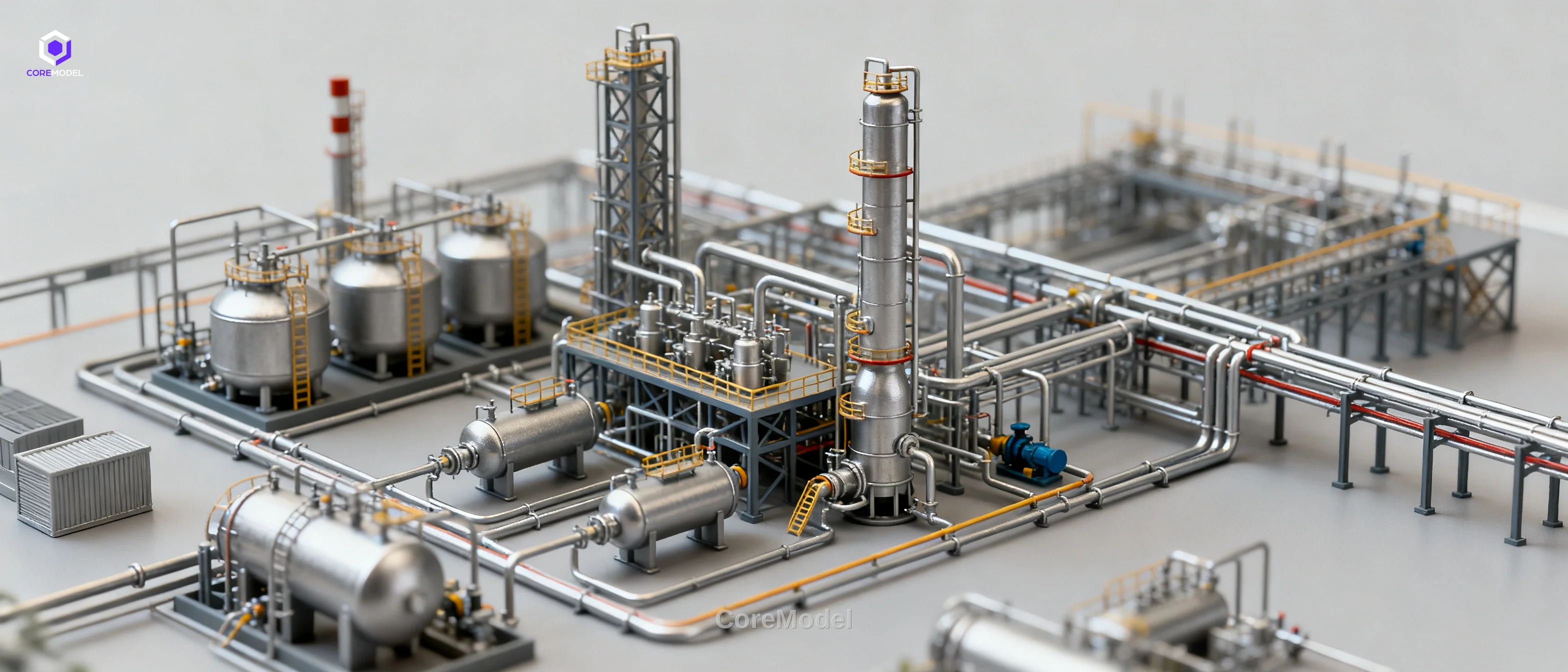
An industry scale model is a physical or digital representation of an industrial facility, infrastructure project, or product, built to a specific ratio. Unlike generic architectural models, these are engineered to demonstrate operational workflows, safety zones, equipment layouts, and spatial relationships. Common types include:
- Petrochemical & Energy Models – Refineries, LNG terminals, solar farms.
- Rail Transit & Logistics Models – Train stations, container ports, automated warehouses.
- Defense & Aerospace Models – Aircraft carriers, satellite arrays, missile systems.
- Urban Planning & Smart City Models – District master plans, smart grid infrastructure.
Why Your Business Needs a Custom Industry Scale Model
1. Enhanced Stakeholder Communication
Blueprints and 3D renderings can be abstract. A tangible industry scale model allows investors, regulators, and community groups to physically interact with your project. This tactile experience builds trust and accelerates approval processes.
2. Error Reduction in Engineering
By scaling down complex systems, engineers can identify clashes in piping, cable trays, or structural supports before construction begins. This saves millions in rework costs.
3. Powerful Marketing & Sales Tool
At trade shows or client presentations, a well-lit, detailed model of your new energy plant or logistics hub instantly conveys professionalism and technical capability. It becomes the centerpiece of your booth.
Key Features of a High-Quality Industry Scale Model
When commissioning a model, look for these attributes:
- Scale Accuracy – Typically 1:100 to 1:500 for industrial sites.
- Material Durability – Acrylic, resin, and laser-cut metals for longevity.
- Lighting & Motion – LED indicators, moving cranes, or flowing water effects.
- Interchangeable Parts – Modules that can be updated as your project evolves.
CoreModel’s Expertise in Industry Scale Models
Based in Shenzhen, China, CoreModel combines advanced manufacturing (CNC, 3D printing, laser cutting) with 15+ years of domain knowledge. Our team works closely with your engineers to ensure every valve, conveyor belt, and control room is accurately represented. We have delivered industry scale models for sectors including:
- New Energy (solar farms, wind turbine layouts)
- Petrochemical & Refining
- Rail Transit & Smart Logistics
- Defense & Aerospace
Our process from concept to delivery typically takes 4–12 weeks, depending on complexity. We also offer digital twin integration for interactive presentations.
Conclusion
An industry scale model is an investment in clarity, precision, and professional credibility. Whether you are presenting a new refinery to investors or a high-speed rail line to government officials, a custom model from CoreModel ensures your vision is understood and remembered. Contact us today to discuss your next project.