
Introduction to Wind Farm Scale Models
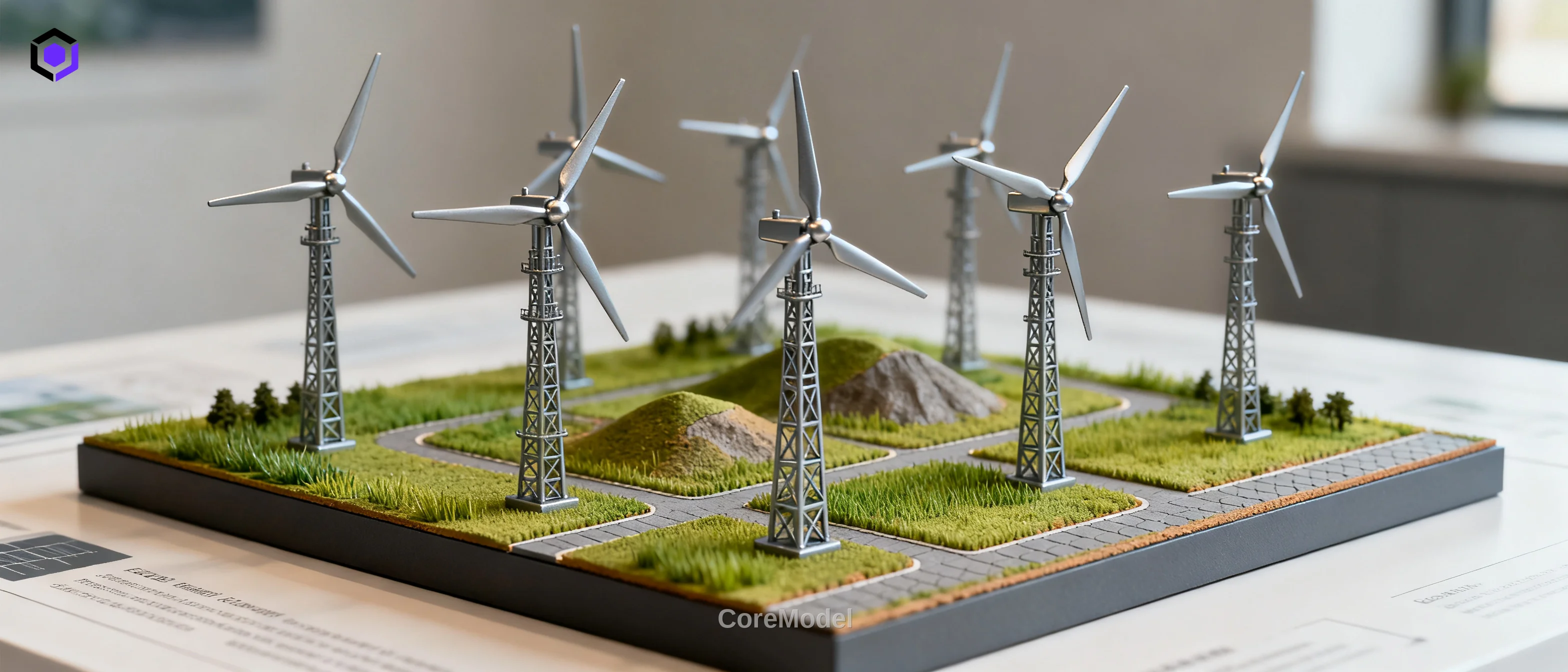
As the global renewable energy sector continues to expand, wind farm scale models have become indispensable tools for planning, communication, and education. These meticulously crafted replicas offer a tangible representation of complex wind energy projects, enabling stakeholders to visualize layouts, assess spatial relationships, and optimize performance. At CoreModel, we specialize in creating high-precision wind farm scale models that serve a wide range of industries, from energy developers to government agencies.
In this comprehensive guide, we'll explore the importance, applications, and technical aspects of wind farm scale models, and how they can benefit your next renewable energy project.
Why Wind Farm Scale Models Matter
Wind farms are complex infrastructures that involve numerous variables: turbine placement, wind patterns, topography, and environmental impact. A physical scale model distills this complexity into an understandable format. Wind farm scale models are not just visual aids; they are strategic assets used in:
- Project Planning and Design: Engineers and planners can test different configurations and identify optimal turbine positions.
- Stakeholder Engagement: Investors, local communities, and regulators can grasp the project's scope and benefits more easily.
- Education and Training: Universities and training centers use models to teach wind energy principles and operational logistics.
- Marketing and Exhibition: Energy companies showcase their projects at trade shows and conferences with striking, accurate models.
By investing in a high-quality scale model, you enhance decision-making, streamline approvals, and foster public support.
Key Features of a High-Quality Wind Farm Scale Model
Not all scale models are created equal. A professional wind farm scale model from CoreModel incorporates several critical features:
1. Accurate Proportions and Scale
Whether you need a 1:500 or 1:1000 scale, precision is paramount. Our models are based on actual engineering drawings and GIS data to ensure every turbine, access road, and substation is correctly positioned.
2. Realistic Terrain and Landscaping
Wind farms are often located in hilly, coastal, or offshore environments. We replicate terrain contours, vegetation, and water bodies using advanced materials and techniques.
3. Interactive Elements
To enhance engagement, models can include LED lighting to simulate turbine operation, moving parts, and even augmented reality (AR) overlays for a digital experience.
4. Durable Materials
Our models are built with high-quality acrylic, ABS, and resin to withstand transport and long-term display.
Applications Across Industries
Wind farm scale models serve diverse sectors:
- Renewable Energy Developers: For site selection, community consultation, and investor presentations.
- Government and Urban Planning: To assess visual impact and land use.
- Education: In universities and technical schools for teaching wind energy technology.
- Museums and Exhibitions: To educate the public about clean energy.
CoreModel has delivered wind farm models to clients in over 80 countries, supporting projects from onshore farms in Europe to offshore wind farms in Asia.
How CoreModel Creates Wind Farm Scale Models
Our process is collaborative and precise:
- Consultation: We discuss your project goals, scale, and budget.
- Design: Our team uses CAD and 3D modeling to create a digital prototype.
- Fabrication: We employ CNC machining, 3D printing, and handcrafting for intricate details.
- Finishing: Painting, lighting, and interactive features are added.
- Delivery: Models are securely packed and shipped worldwide.
With 15+ years of experience, we ensure every model meets the highest standards of accuracy and craftsmanship.
Choosing the Right Scale for Your Wind Farm Model
Selecting the appropriate scale depends on the purpose and available space. Common scales include:
- 1:1000: Ideal for large wind farms with many turbines, suitable for tabletop displays.
- 1:500: Offers a balance between detail and size, great for presentations.
- 1:200: Highly detailed, perfect for exhibition booths and close-up viewing.
Our experts can help you determine the optimal scale for your needs.
Future Trends in Wind Farm Scale Models
As wind energy technology evolves, so do scale models. Emerging trends include:
- Digital Integration: Models paired with AR/VR for immersive experiences.
- Sustainability: Use of eco-friendly materials in model construction.
- Offshore Focus: Increasing demand for offshore wind farm models with dynamic water effects.
CoreModel stays at the forefront of these trends, continuously innovating to meet client demands.
Conclusion
Wind farm scale models are powerful tools that bridge the gap between complex engineering and clear communication. Whether you're planning a new wind farm, educating future engineers, or showcasing your project to investors, a custom scale model from CoreModel can elevate your efforts. With our expertise and commitment to quality, we help you bring your wind energy vision to life.
Contact CoreModel today to discuss your wind farm scale model project and receive a personalized quote.