

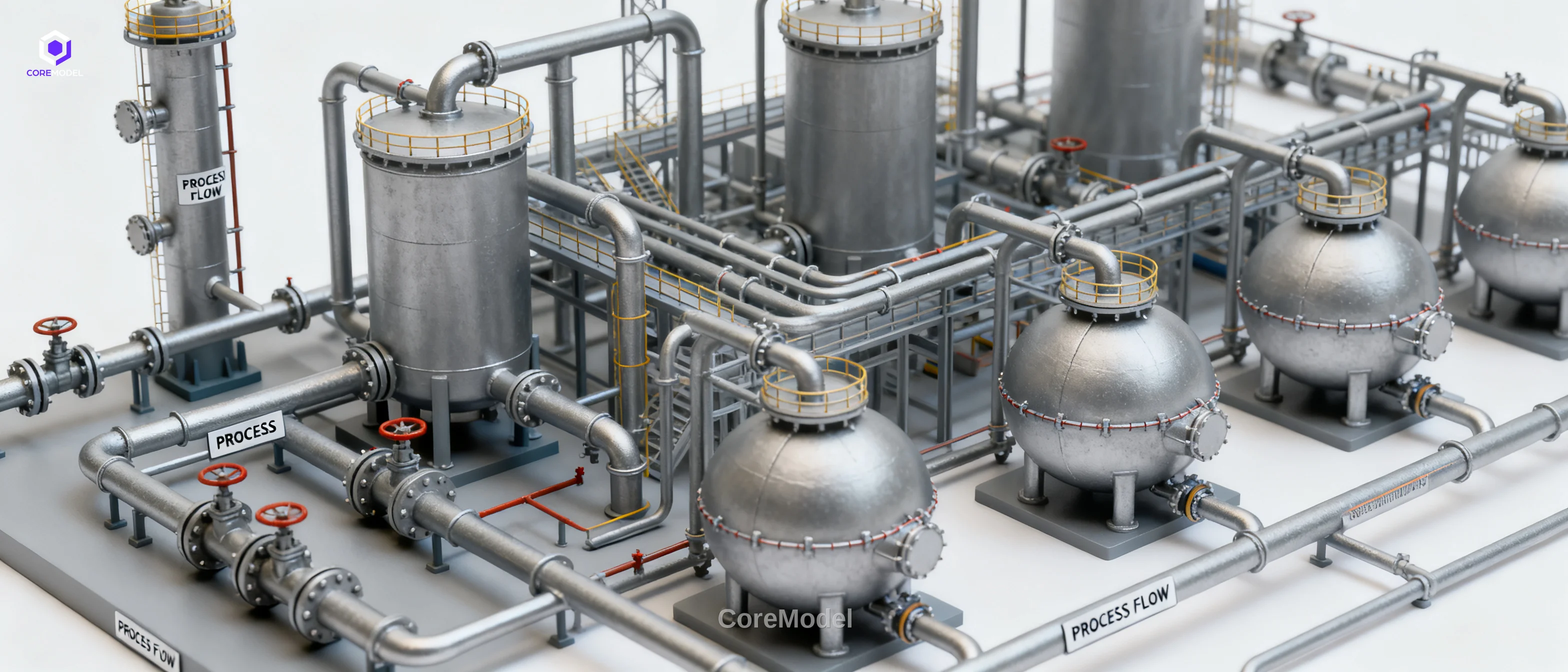
Introduction to Engineering Scale Models
In the world of engineering and industrial design, precision is paramount. Engineering scale models serve as tangible, highly detailed representations of complex systems, structures, and machinery, enabling engineers, architects, and stakeholders to visualize, test, and refine designs before full-scale production. From petrochemical plants to urban planning, these models are indispensable tools that bridge the gap between concept and reality.
With over 15 years of experience and a client base spanning 80+ countries, CoreModel (https://www.coremodel3d.com) has established itself as a leader in the production of custom engineering scale models. Our expertise covers a wide range of industries, including new energy, rail transit, defense, and smart logistics, delivering models that are not only visually stunning but also functionally accurate.
Why Engineering Scale Models Matter
Engineering scale models play a critical role in the design and development lifecycle. They provide a three-dimensional, physical representation that computer-aided designs (CAD) cannot fully convey. This tangible form allows for:
- Enhanced Communication: Models facilitate clearer communication between engineers, clients, and investors, ensuring everyone has a shared understanding of the project.
- Error Detection: By physically examining a model, potential design flaws, spatial conflicts, or accessibility issues can be identified early, saving time and costs.
- Effective Training: Models serve as excellent training tools for operators and maintenance personnel, allowing them to familiarize themselves with equipment and processes without risk.
- Marketing and Presentations: A well-crafted model is a powerful marketing asset for trade shows, exhibitions, and investor presentations, making a lasting impression.
Types of Engineering Scale Models
At CoreModel, we produce a diverse range of engineering scale models tailored to specific industry needs:
Architectural and Urban Planning Models
These models showcase buildings, complexes, and entire city districts, aiding in urban development and real estate marketing. They can include detailed landscaping, lighting, and even moving elements to simulate traffic flow.
Industrial and Petrochemical Models
For industries like oil and gas, our models replicate complex processing plants, including piping, vessels, and safety systems. These are essential for planning maintenance, safety audits, and operator training.
New Energy and Power Models
With the global shift towards sustainable energy, we create models for wind farms, solar installations, and battery storage facilities, helping stakeholders understand the layout and operation of these green technologies.
Rail Transit and Transportation Models
Our rail transit models depict trains, stations, and entire transit networks, supporting both planning and public engagement for infrastructure projects.
The CoreModel Advantage
Choosing the right partner for your engineering scale model project is crucial. CoreModel stands out due to:
- Precision Engineering: We utilize advanced manufacturing techniques, including CNC machining, laser cutting, and 3D printing, to achieve exceptional accuracy.
- Customization: Every model is built to your exact specifications, from scale and materials to lighting and interactive features.
- Industry Expertise: Our team has deep knowledge across multiple sectors, ensuring that models are functionally and technically accurate.
- Global Reach: We have successfully delivered models to clients in over 80 countries, with robust packaging and logistics to ensure safe arrival.
How Engineering Scale Models Are Made
The creation of an engineering scale model is a meticulous process that combines artistry and technology. Here’s a brief overview:
- Consultation and Design: We work closely with you to understand the purpose, scale, and required details of the model. We then create a digital blueprint.
- Material Selection: Depending on the application, we choose from materials like acrylic, ABS plastic, wood, metal, and resin.
- Fabrication: Using a mix of automated and handcrafted techniques, we produce the individual components with precision.
- Assembly and Finishing: Skilled technicians assemble the parts, apply paint and textures, and integrate lighting or moving parts.
- Quality Control: Each model undergoes rigorous inspection to ensure it meets our high standards and your expectations.
Applications Across Industries
Our engineering scale models are used in a variety of critical applications:
- Defense and Aerospace: For mission planning, system demonstrations, and training.
- Smart Logistics: To optimize warehouse layouts and automated systems.
- Marine and Offshore: For ship design and offshore platform planning.
- Mining and Construction: To visualize extraction processes and heavy equipment.
Conclusion
In an increasingly digital world, the value of physical engineering scale models remains undiminished. They offer a level of clarity and engagement that screens and blueprints cannot match. Whether you are planning a new industrial facility, a transportation hub, or a renewable energy project, a scale model is a wise investment.
At CoreModel, we are committed to delivering models that exceed expectations and drive success. Contact us today to discuss your next project and discover how our precision-crafted scale models can bring your vision to life.