

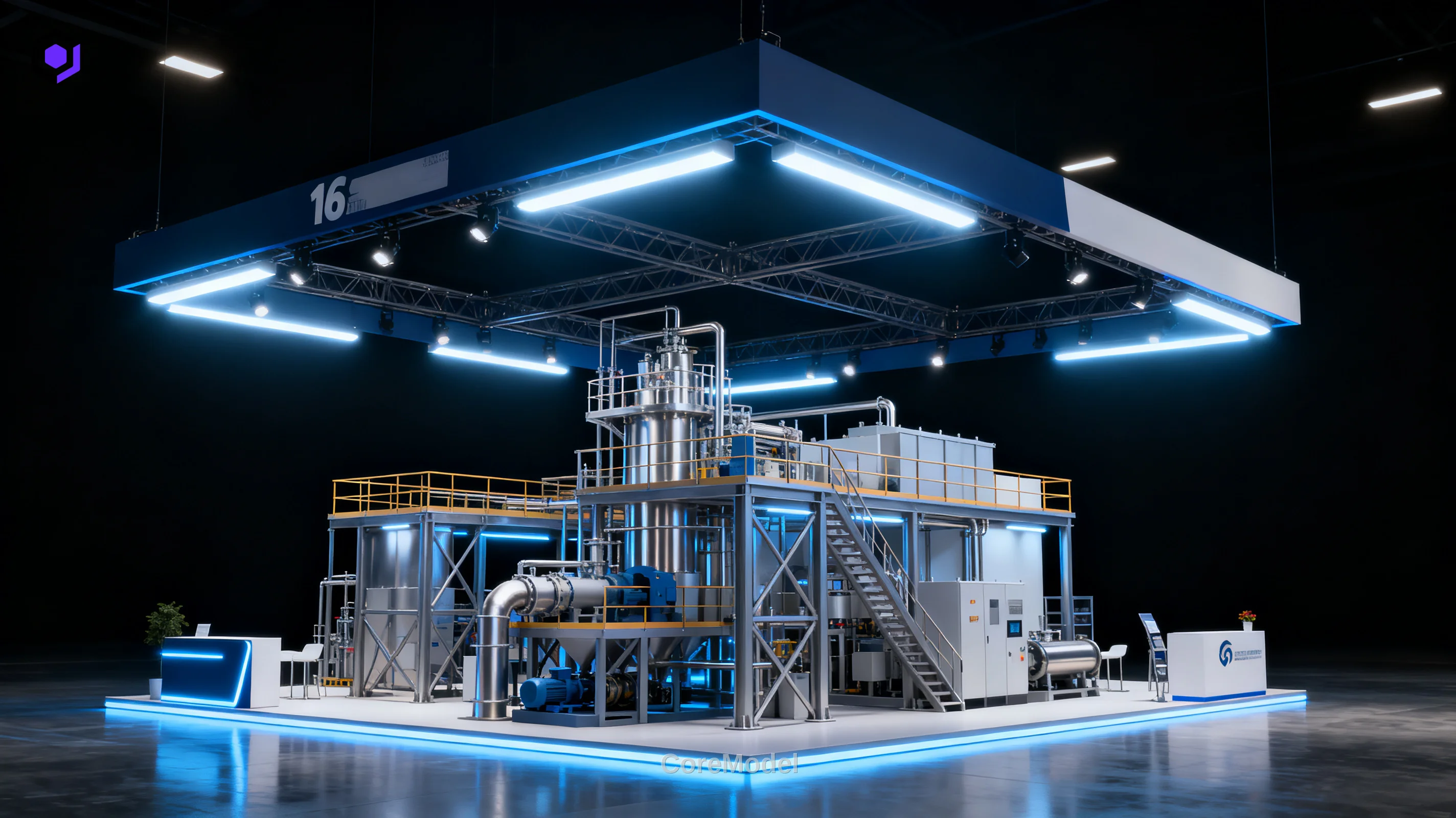
Why a Trade Show Display Model Is Your Most Powerful Sales Tool
In the competitive world of B2B trade shows, capturing attention is half the battle. A trade show display model—a meticulously crafted physical representation of your product, project, or infrastructure—can transform a standard booth into a magnetic experience. Unlike digital screens or brochures, a tangible scale model invites interaction, sparks curiosity, and makes complex concepts instantly understandable. At CoreModel, we've spent over 15 years designing and manufacturing custom scale models for clients across 80+ countries, and we've seen firsthand how a well-executed display model can double booth traffic and accelerate deal cycles.
This guide explores the strategic value of trade show display models, the types available, key design considerations, and how to choose the right manufacturing partner. Whether you're in industrial equipment, urban planning, energy, or transportation, a custom display model can elevate your brand and communicate your value proposition with unmatched clarity.
What Is a Trade Show Display Model?
A trade show display model is a scaled-down physical replica of a product, building, industrial facility, or system, designed specifically for exhibition environments. These models are typically built to withstand the rigors of transport and frequent handling while maintaining high visual fidelity. They serve multiple purposes: they can demonstrate how a large machine works, showcase a proposed urban development, illustrate the layout of a petrochemical plant, or highlight the features of a new energy solution.
Unlike architectural models meant for permanent display, trade show models prioritize portability, durability, and quick assembly. They often incorporate interactive elements such as LED lighting, moving parts, or touchscreen interfaces to engage visitors. The best models are not just scale replicas—they are storytelling tools that convey your company's innovation and expertise.
Key Benefits of Using Display Models at Trade Shows
1. Instant Visual Impact
In a hall filled with thousands of exhibitors, visual impact is critical. A detailed, large-scale model acts as a beacon, drawing attendees from across the aisle. According to industry studies, exhibits with physical models see up to 40% more foot traffic than those relying solely on digital displays. The tactile nature of a model invites touch and exploration, creating a memorable experience that lingers long after the show.
2. Simplified Complex Concepts
Many B2B products and projects are inherently complex—think of a smart logistics hub, a rail transit network, or an offshore wind farm. A scale model breaks down these complexities into an intuitive, visual format. Visitors can see how components fit together, understand spatial relationships, and grasp the scale of operations without wading through technical jargon. This accelerates the sales process and reduces miscommunication.
3. Enhanced Engagement and Interaction
Interactive models with moving parts, lighting sequences, or augmented reality overlays turn passive observers into active participants. When visitors can press a button to simulate a process or use a tablet to explore different configurations, they spend more time at your booth and leave with a stronger impression. Engagement metrics consistently show that interactive displays increase dwell time by 50% or more.
4. Brand Differentiation
In crowded markets, differentiation is key. A custom display model showcases your investment in quality and innovation. It signals that you are a serious player who values precision and craftsmanship. Many of our clients report that their models become a talking point, generating social media shares and word-of-mouth buzz that extends far beyond the show floor.
Types of Trade Show Display Models
CoreModel manufactures a wide range of display models tailored to different industries. Here are the most common categories:
Industrial Dioramas
These models depict factories, production lines, or industrial complexes, often with cutaway sections to reveal internal machinery. They are ideal for manufacturing companies looking to demonstrate their capabilities and scale.
Architectural and Urban Planning Models
Used by real estate developers, architects, and municipal planners, these models showcase buildings, neighborhoods, or entire city districts. They often include landscape elements, lighting, and removable layers for phased developments.
New Energy Models
With the global push for sustainability, models of solar farms, wind turbines, battery storage systems, and smart grids are in high demand. These models help energy companies communicate their vision for a greener future.
Petrochemical and Process Models
Detailed replicas of refineries, chemical plants, and pipelines are essential for engineering firms and EPC contractors. They are used for training, safety briefings, and client presentations.
Rail Transit and Infrastructure Models
These models illustrate rail networks, stations, bridges, and tunnels. They are particularly useful for government tenders and public consultations.
Defense and Aerospace Models
From aircraft to satellites, these models require extreme precision and are often used for marketing, mission planning, and educational purposes.
Smart Logistics Models
Warehouses, distribution centers, and automated guided vehicle systems can be represented with dynamic models that show material flow and operational efficiency.
Design Considerations for Trade Show Display Models
Creating an effective trade show model requires careful planning. Here are key factors to discuss with your manufacturer:
Scale and Size
The model must be large enough to be seen from a distance but small enough to fit your booth and transport easily. Typical scales range from 1:50 to 1:500, depending on the subject. Work with your designer to determine the optimal balance between detail and portability.
Materials and Durability
Trade show models endure frequent handling, packing, and shipping. High-quality materials such as acrylic, ABS, and metal ensure longevity. Protective cases and modular designs further extend the model's life.
Interactive Features
Consider incorporating LED lighting, touchscreens, or motorized elements to boost engagement. These features should be user-friendly and robust enough for continuous operation.
Branding and Messaging
Your model should reinforce your brand identity. Custom colors, logos, and integrated graphics help tell your story. Many models include a base or backdrop with key messaging and calls to action.
How to Choose the Right Manufacturing Partner
Selecting a manufacturer for your trade show display model is a critical decision. Look for a partner with:
- Proven experience in your industry and with trade show models specifically.
- In-house design and production capabilities to ensure quality control and timely delivery.
- Global logistics support to handle shipping and on-site assembly if needed.
- A portfolio of successful projects and client testimonials.
CoreModel checks all these boxes. With 15+ years of experience, a 20,000㎡ factory in Shenzhen, and a team of skilled craftsmen and engineers, we deliver custom models that meet the highest standards. We offer end-to-end service, from concept design to installation, and we've helped clients in over 80 countries make a splash at major trade shows like Hannover Messe, CES, and Canton Fair.
Maximizing ROI: Using Your Model Beyond the Trade Show
A trade show display model is an investment that can pay dividends long after the event. Use it in your showroom, at client presentations, in training sessions, or as a centerpiece for webinars and virtual tours. Many of our clients repurpose their models for marketing videos and social media content, extending their reach. With proper care, a high-quality model can last for years, making it a cost-effective marketing asset.
Conclusion
In the age of digital overload, a physical trade show display model offers a refreshing, tangible way to connect with your audience. It communicates complex ideas instantly, fosters engagement, and sets you apart from competitors. Whether you're launching a new product, showcasing a mega-project, or simply want to draw more visitors to your booth, a custom scale model from CoreModel can help you achieve your goals.
Ready to make your next trade show unforgettable? Contact CoreModel today to discuss your project and receive a free consultation. Our team will guide you through the design process and deliver a model that exceeds your expectations.